As winter sets in, many of us start to notice the familiar signs of the season: shorter days, colder weather (and the kids bringing home coughs and colds!). But before you reach for your supplements, science shows there’s one powerful immune booster that’s actually available to you every single night: your sleep. Here we’ll look at how sleep and immune function are connected, why this relationship works both ways, and a few practical steps you can take to support your immune health through better rest this winter.
The two-way street between sleep and immunity
Sleep is essential for almost every aspect of your health, and the immune system is no exception. The relationship between the two is mutual - how you sleep affects your immune function, and immune activity can in turn influence how you sleep. Let’s start with how sleep supports immunity.
How can sleep strengthen your immune system?
Sleep plays such an important role in how well your body defends itself against infection. One study shows this really clearly: participants were exposed to a common cold virus, and those who had slept less than five hours a night in the week following were 4.5 times more likely to experience symptoms compared to those who’d slept seven hours or more! This connection between sleep and staying well has been seen in larger studies too, with people who sleep better being less likely to end up in hospital with infections. Researchers even estimate that around one in ten of these cases could be avoided all together, simply by having healthier sleep habits.
One stage of sleep that’s especially important is deep sleep, or ‘slow-wave’ sleep. It takes up most of the first part of the night and is when your body is actually focusing on repair and recovery. This is also when your immune system builds up its “memory”, helping you fight off viruses and other bugs more effectively in the future.
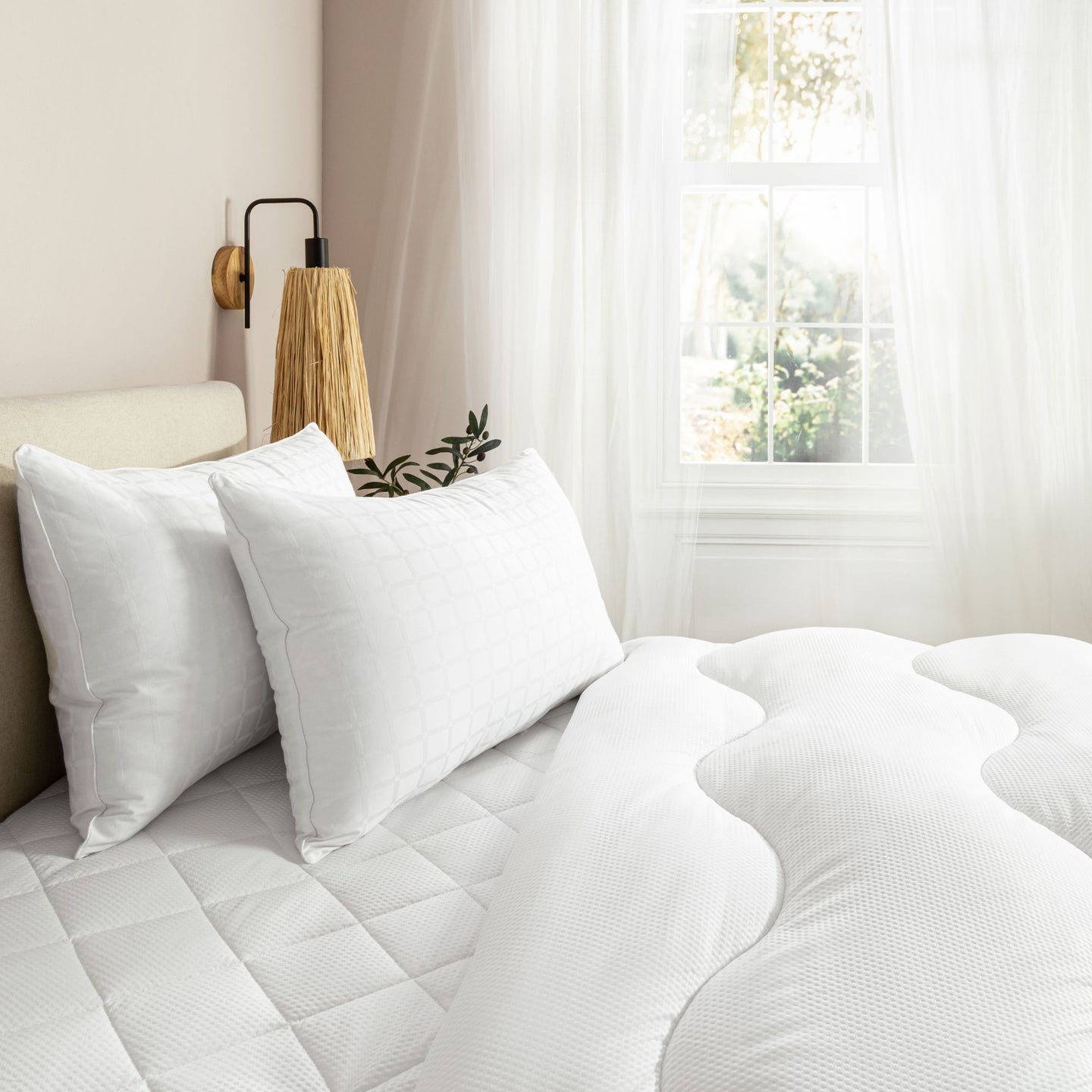
Many people don’t realise that the bedding you use can have a real impact on how well you sleep and, in turn, how well your immune system functions. As the temperature drops, choosing something that feels warm yet breathable helps you stay comfortable through the night, so your body can focus on rest and recovery. Night Lark’s Coverless Duvet is ideal for this time of year. It's lightweight, so keep you cosy without overheating, while the all year round 10.5 tog warmth supports deeper, uninterrupted sleep - one of the simplest ways to strengthen your body’s natural defences during winter.
How does immune activity affect your sleep?
The connection works in the opposite direction too. When your immune system is busy (like when you’re fighting off a cold) it releases certain natural chemicals that help the body respond to infection. These same signals can actually influence how much and how deeply you sleep. This is why you often feel the urge to rest more when you’re feeling under the weather. Sleep helps your body conserve energy and focus on recovery, giving your immune system the space it needs to do its job. But when infections are more severe, that same immune activity can sometimes disrupt sleep, which is why you might find yourself feeling exhausted yet not able to get any real rest.
How to support your immune system through better sleep
Sleep and immunity work hand in hand, so when you take care of one, you’re also helping the other. As winter sets in, a few simple tweaks can make a real difference in how well you feel and recover.
-
Give yourself enough time for sleep - Most adults need around seven to nine hours of sleep a night, though it’s different for everyone. You might find you need a little more during the darker winter months, and that’s completely normal. Try to give yourself enough time in bed to get the rest your body naturally needs, especially if you’ve recently had a vaccination or you’re recovering from being unwell.
-
Stay active - Regular movement can really help your sleep and your immune health. Gentle or moderate exercise like walking, cycling or yoga is ideal. But you should always try to finish a few hours before bed so your body still has time to wind down properly.
-
Manage stress - Stress can really take its toll on both your sleep and your immune system. It helps to find ways to manage it, whether that’s tackling the root cause where you can, or using small habits to ease tension, things like journalling, spending some time outdoors or practicing some breathing exercises (box breathing is always a good one!).
-
Keep to a regular routine - Try to go to bed and wake up at around the same time each day, as keeping a steady rhythm helps your body clock stay balanced, supporting both better quality sleep and a stronger immune system.
-
Practice good hygiene habits - Good sleep goes a long way but it won’t protect you from everything. You need to keep up the simple habits too: washing your hands often and keeping rooms well aired.
Final thoughts
Sleep and immunity work side by side, so while it’s impossible to avoid every winter virus, getting enough good quality rest helps strengthen your natural defenses and supports faster recovery if you do catch something.
If you’d like to learn more or have questions about sleep and wellbeing, feel free to get in touch with us on social media @finebeddingco.
Sleep well and stay healthy this winter.